
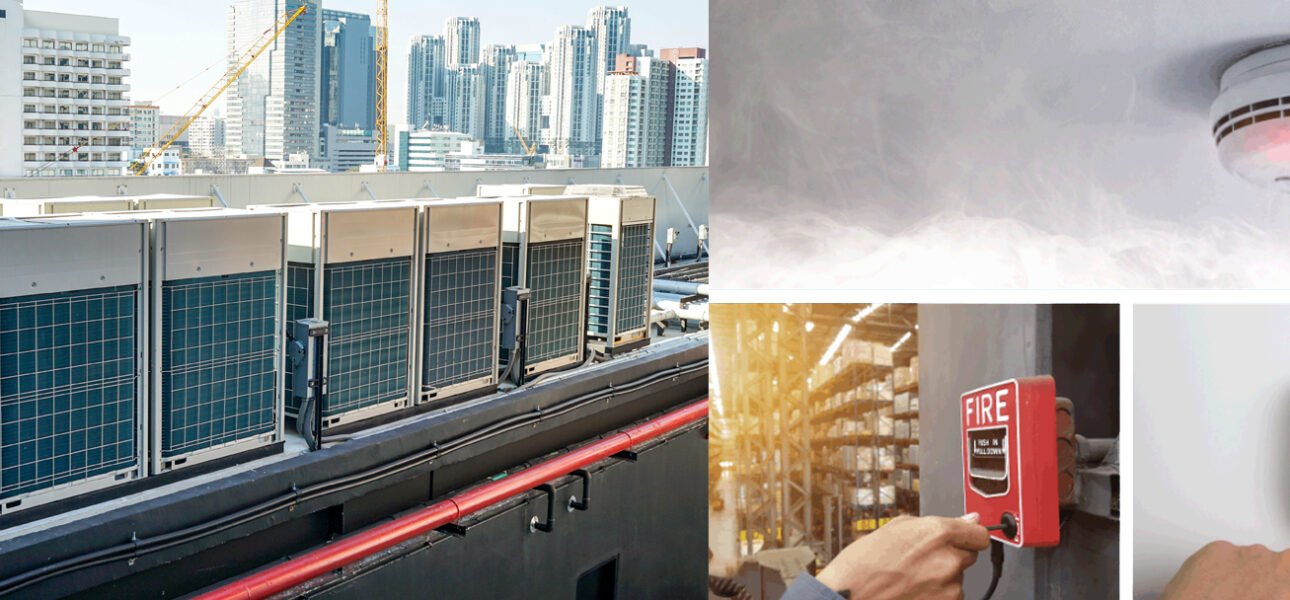
Living in high-rise apartments can be exciting. The breathtaking city views, proximity to urban amenities, and modern facilities make high-rise living appealing to many. However, with great heights come great responsibilities, especially when it comes to safety. Ensuring that your apartment is not only comfortable but also secure is crucial for peace of mind. In this guide, we’ll walk you through key safety considerations and share a practical apartment safety checklist to help you make informed decisions.
Why Safety Matters in High-Rise Living
Unlike low-rise buildings, high-rise apartments pose unique safety challenges. Fire safety, emergency evacuation, and structural integrity become more critical due to the height and number of residents. Understanding these risks ensures that you’re prepared for emergencies, reducing the chances of accidents and injuries.
Safety isn’t just about reacting to incidents but about being proactive. By assessing safety measures before moving in, you can choose a building that prioritizes your well-being.
Key Safety Features to Look For
When evaluating a high-rise apartment, there are several safety aspects to consider:
1. Fire Safety Measures
Fire safety in apartments is non-negotiable. Check if the building has:
- Smoke detectors and fire alarms on every floor and unit.
- Sprinkler systems in common areas and apartments.
- Fire extinguishers are readily available and regularly maintained.
- Clearly marked emergency exits and evacuation routes.
A well-prepared building ensures that in case of a fire, residents can act quickly and safely.
2. Building Security
A secure environment goes beyond fire safety. Look for security features in apartments such as:
- CCTV cameras in lobbies, corridors, and parking areas.
- Controlled entry systems with key cards or biometric access.
- On-site security personnel available 24/7.
- Visitor management systems to track guest entry.
A combination of these measures significantly reduces the risk of break-ins and enhances overall safety.
3. Structural and Maintenance Safety
The structural integrity of a high-rise building is crucial. Ensure that the building:
- It is constructed with earthquake-resistant materials if in a seismic zone.
- Regularly undergoes safety inspections and maintenance.
- Has well-maintained elevators and staircases.
- Includes proper lighting in all common areas and emergency pathways.
Poor maintenance can lead to accidents, so this step should never be overlooked.
4. Emergency Preparedness
Emergencies like fires, earthquakes, or power outages require a well-thought-out plan. When visiting a building, ask about:
- Emergency evacuation plans and drills.
- Backup power supply in case of outages.
- First aid stations and readily available medical kits.
- Trained staff to assist residents during emergencies.
A building that prioritizes emergency preparedness demonstrates a commitment to resident safety.
Apartment Safety Checklist
To simplify your assessment, here’s a practical apartment safety checklist:
- Fire Safety: Smoke detectors, fire alarms, sprinklers, fire extinguishers, emergency exits.
- Security: CCTV cameras, access control, security personnel, visitor logs.
- Structural Safety: Regular inspections, earthquake-resistant design, functional elevators, safe staircases.
- Emergency Preparedness: Evacuation plans, backup power, first aid kits, trained staff.
- Personal Safety: Safe balconies, childproof windows, secure entry doors, well-lit common areas.
Using this checklist can help you make an informed choice and ensure that your high-rise apartment meets essential safety standards.
How Residents Can Improve Apartment Safety
Even with all the building precautions, residents have a role to play in their safety:
- Familiarize yourself with all emergency exits and routes.
- Test smoke detectors and fire alarms periodically.
- Never block staircases or emergency exits.
- Avoid overloading electrical outlets.
- Keep emergency contacts and a first aid kit handy.
Being proactive and aware can make a huge difference in emergencies.
Common Misconceptions About High-Rise Safety
Some people assume that high-rise apartments are inherently risky. While the height introduces challenges, modern buildings are designed with safety-first principles. Features like fire-resistant materials, sprinkler systems, and trained staff actually make high-rises safer than many low-rise buildings when it comes to emergencies.
Another misconception is that safety features are expensive or optional. In reality, safety measures are standard in most reputable urban developments, and investing in a safe building is always worthwhile.
Conclusion
From stunning views and world-class amenities to unmatched security and community, high-rise living is hard to ignore. Multistar, among the most high-end real estate developers in Mumbai, specializes in creating homes that redefine urban sophistication. Reach out now and let Multistar help you upgrade your lifestyle with the residence you deserve.
FAQs
1. How often should fire alarms and smoke detectors be checked in a tall residential building?
Fire alarms and smoke detectors should ideally be tested every month, with batteries replaced at least once a year. Sprinkler systems and other fire suppression equipment should be professionally inspected annually to ensure they function properly.
2. Are taller buildings safer than low-rise structures?
When designed and maintained properly, taller residential buildings can be very safe. Modern fire safety systems, round-the-clock security, and well-planned emergency procedures make them secure. Ultimately, safety depends on regular maintenance and strict adherence to building standards.
3. What should I include in my personal apartment safety checklist?
Include smoke detectors, secure entry doors, emergency exits, fire extinguishers, first aid kits, well-lit areas, and clear evacuation routes.
4. How can residents contribute to building safety?
Residents can stay informed about emergency plans, follow safety rules, report maintenance issues, avoid blocking emergency routes, and ensure personal safety devices are functional.
5. What security features are most important in high-rise apartments?
CCTV surveillance, access control systems, trained security personnel, secure lobbies, and proper visitor management are essential for high-rise apartment safety.